
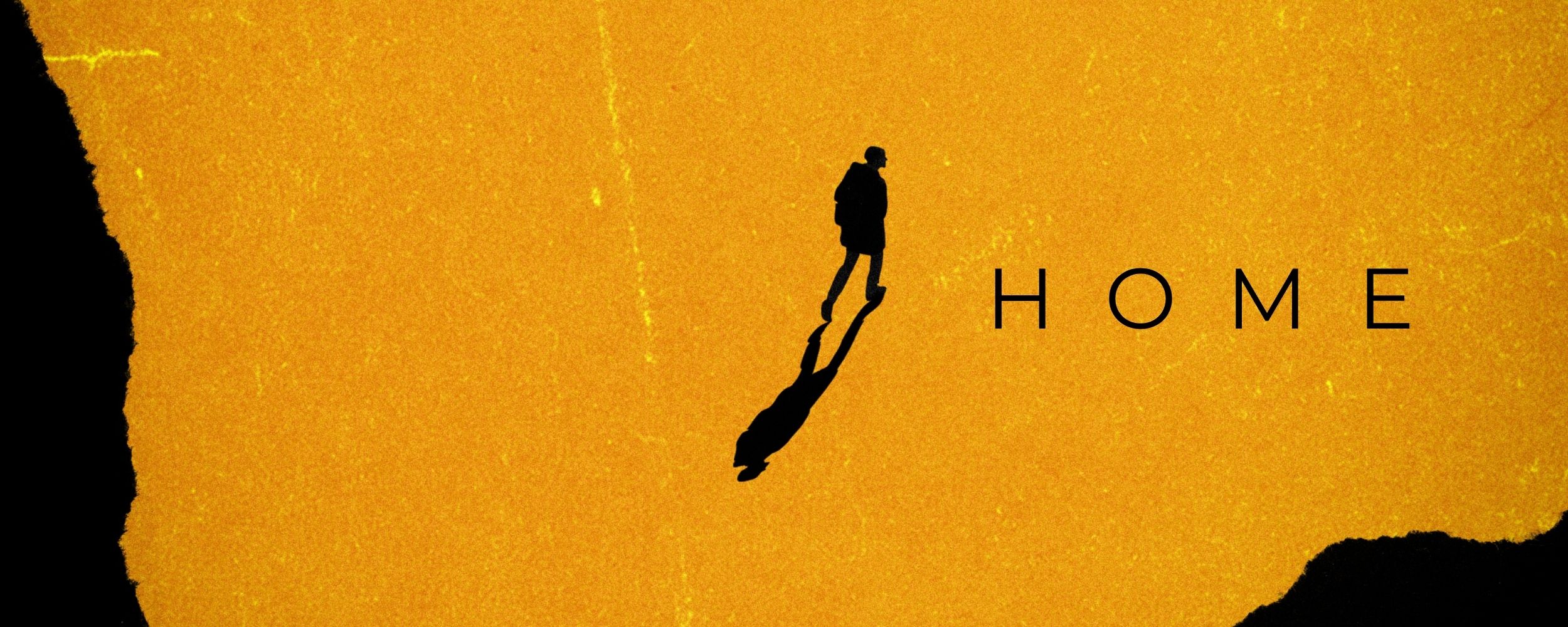
Home

Our recent Friday highlights have been centered around the theme of life in exile, but what are we exiled from? Let’s look closer at the bookends of the Bible to see where we came from and, ultimately, where we’re going.
Genesis 2
After creating the heavens and the earth, the sun and stars, the dry land and the sea, plants and animals, God made Adam and Eve, our first parents, and placed them in a garden called Eden (2:8). This garden is described as an extremely fertile land, full of rivers, trees, food, resources, even gold (2:9-14). The description conveys a land of superabundance: life, peace, prosperity, nothing was lacking. Two trees get special attention in v. 9: the tree of life, and the tree of the knowledge of good and evil. All we know about them is that to eat from the tree of life made you live forever (3:22), and to eat from the tree of the knowledge of good and evil was prohibited (2:17).
Here’s what we can conclude about life in the Garden of Eden: It was wonderful. They had nothing to worry about. They could work without toil (2:15), live free of fear and shame (3:10), even walk with God “in the cool of the day” (3:9)! It was the home we were made for, but we messed it up. As we read in chapter 3, Adam and Eve listened to the serpent instead of God, and disobeyed God by eating from the tree of the knowledge of good and evil. This single act ushered sin into the world, and our first parents were sent into the exile we still inhabit today. But we’ve been longing for our true home ever since.
Revelation 21
Fast forward through several thousand years of beautiful redemptive history—in which God establishes his chosen people Israel, sends the Son to reverse Adam’s curse, sends the Holy Spirit to build up the church, and spreads the gospel to every corner of the earth—we get to the book of Revelation. It was a vision given to the Apostle John while he was exiled (coincidence?) on a tiny Greek island called Patmos. Chapter 21 gives us a foretaste of what’s to come when Jesus returns.
It opens, almost cinematically, with the old heavens and earth passing away before John’s eyes (21:1). As it dissolves, the new heavens and new earth take its place, complete with the holy city, new Jerusalem, looking as radiant and beautiful as a bride on her wedding day (21:2). I honestly think of this passage every time I attend a wedding. Especially the moment when the doors open, the bride enters, all eyes turn to her, and everyone stands. It’s such a captivating moment. There’s a sense of completion, but also expectancy. Like this is simultaneously the longed-for finish line and also just the starting point. The epilogue of the previous life and the prologue of the life to come all wrapped up in one sacred scene. That’s how Revelation describes the arrival of the new Jerusalem.
But let’s look closer at this new Jerusalem. Read the description in Revelation 21:9-22:5. Does anything sound familiar? It has echoes of Eden because it’s the fulfillment of the promise of Eden. Look closely at the parallels: The city is surrounded and overflowing with a fertile land of rivers, trees, food (22:1-2), resources (21:19-20), even gold (21:18, 21). They have nothing to worry about so the city gates will never be shut (21:27). God will finally dwell with us, face to face, not just walking with us but close enough to wipe away our tears (21:3-4). It’s a return to the superabundance of Eden: no more death, mourning, crying, or pain. It’s all been dealt with by our victorious King. On that day, he will make all things new (21:5), and they’ll be new forever.
The thread that runs through the whole Bible is God and man dwelling together (21:3). It was promised in the garden of Eden, foreshadowed in the temple, embodied in Jesus, witnessed by the church, and fulfilled in the new Jerusalem. In a word, it’s home. Our true home. We were made to live with God, and we won’t be truly happy until we live with him again. Your whole life on this side of eternity is spent longing for the wedding of the Lamb and his bride. All of our happiest moments in this life are echoes and foretastes of that joy-filled reunion.
But it’s not quite yet. Not yet. For now, we wait. But while we wait, let’s keep our eyes up, fixed on Christ, knowing that the only things in this world that will last forever are the people we share it with. If you’re in Christ, you’ve already been invited to the wedding supper of the Lamb (Rev 19:6-9). Let’s press on toward that day, the goal of our upward call (Phil 3:14), our true home, and bring as many people with us as we can.
Therefore, since we are surrounded by so great a cloud of witnesses, let us also lay aside every weight, and sin which clings so closely, and let us run with endurance the race that is set before us, looking to Jesus, the founder and perfecter of our faith, who for the joy that was set before him endured the cross, despising the shame, and is seated at the right hand of the throne of God. (Hebrews 12:1–2)